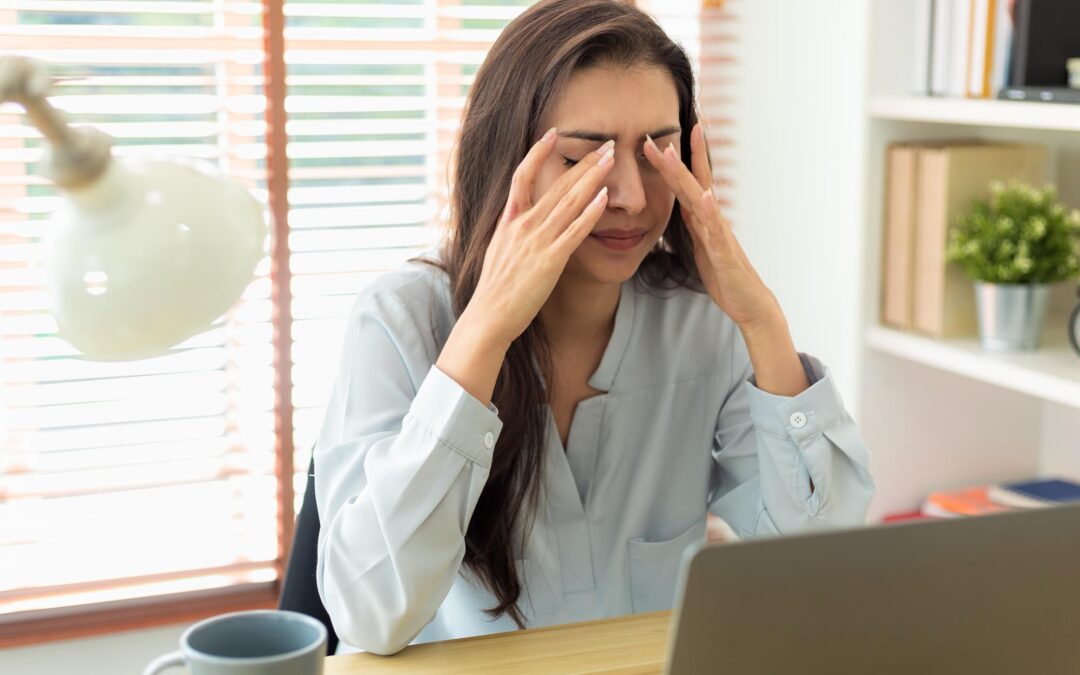
What Is National Suicide Prevention Month and How Can Women Get Help?
If you’ve ever found yourself thinking, “I don’t know how much longer I can keep doing this,” I want you to hear this first: you’re not weak, you’re not broken, and you’re not alone.
National Suicide Prevention Month happens every September. You’ll see social posts, purple and teal ribbons, and encouraging messages. And while awareness matters, what matters even more is this: women deserve real support that actually reaches them where they are, whether that’s in a quiet depression, high-functioning anxiety, postpartum overwhelm, trauma, burnout, substance use, or a mix of everything.
At Lightwork Therapy & Recovery, we hold September with a lot of care. Not because the month fixes anything on its own, but because it can be a door. A reason to finally say it out loud. A reason to ask for help. A reason to let someone walk with you.
Let’s talk about what this month is, why it matters, what warning signs can look like in women, and exactly how to get support right now.
What is National Suicide Prevention Month?
National Suicide Prevention Month is a time dedicated to:
- Raising awareness about suicide and suicidal thoughts
- Reducing shame and stigma around mental health and getting help
- Sharing resources so people know what to do in a crisis
- Encouraging prevention, connection, and early intervention
It also includes World Suicide Prevention Day (September 10), which is recognized globally.
But here’s the honest truth. Suicide prevention is not just about one day or one month. It’s about noticing what’s happening in your inner world and getting support before things escalate. It’s about having options, having a plan, and having people who take you seriously.
And it’s about recognizing that for many women, suicidal thoughts are not always a clear, dramatic “I want to die.” Sometimes they show up more like:
- “I don’t want to be here anymore.”
- “I just want everything to stop.”
- “Everyone would be better off without me.”
- “I’m so tired of trying.”
If any of that feels familiar, you’re exactly who this month is for. It’s crucial to understand that these feelings could stem from various issues such as OCD or financial stress among others.
Why this matters for women (specifically)
Women often carry pain in ways that don’t get labeled as “serious enough.” Many women keep showing up for work, kids, partners, family, and friends while silently falling apart inside. We learn to perform “fine.”
Some reasons women may be at risk include:
- Depression and anxiety, especially when untreated or dismissed
- Trauma (including childhood trauma, sexual assault, domestic violence, emotional abuse)
- Postpartum depression and perinatal mood disorders
- Chronic stress, burnout, and caregiver overload
- Grief, loss, and major life transitions (divorce, infertility, job loss, empty nest, relocation)
- Isolation, even when surrounded by people
- Substance use as a way to cope (alcohol, benzos, opioids, stimulants, cannabis)
- Co-occurring mental health and substance use (dual diagnosis)
And there’s another piece we take seriously: many women minimize their own suffering. They wait until they’re in crisis because they believe they should be able to “handle it.”
If that’s you, consider this your permission slip to get help before it becomes unbearable.
Common warning signs in women (including the quieter ones)
Sometimes the signs are obvious. Sometimes they’re subtle. And sometimes they look like personality changes that others misread as “moodiness” or “stress.”
Here are warning signs to take seriously:
Emotional signs
- Feeling hopeless, trapped, numb, or like a burden
- Intense shame or self-hatred
- Increased irritability or rage (not just sadness)
- Feeling detached, “not real,” or like you’re watching your life from the outside
- Sudden calm after a long period of distress (this can be a red flag)
High Functioning Anxiety
It’s important to recognize signs of high-functioning anxiety as well. This condition often goes unnoticed because the individual appears to be managing their responsibilities well.
ADHD in Women
Additionally, many women are unaware that they might be dealing with ADHD, which can manifest differently than in men and often goes undiagnosed.
Seasonal Affective Disorder
For some women, seasonal affective disorder can exacerbate these feelings during certain times of the year.
Insomnia and Anxiety
Finally, if you’re struggling with insomnia due to anxiety or other emotional distress, it’s crucial to seek help.
Behavioral signs
- Withdrawing from friends, family, texts, plans
- Sleeping all the time, or barely sleeping at all
- Giving away belongings or tying up “loose ends”
- Increased alcohol or drug use, or risky behavior
- Struggling to care for basic needs (showering, eating, getting out of bed)
- Saying things like “I can’t do this anymore” or “I wish I could disappear”
Thinking patterns
- Replaying mistakes on a loop
- Believing you’re unlovable, a failure, or “too much”
- Feeling like nothing will ever change
- Thinking others would be relieved if you were gone
If you’re reading this and thinking, “That’s me, but I’m not actively planning anything,” please still take it seriously. Suicidal thoughts exist on a spectrum, and getting support earlier is one of the most protective things you can do.
If you are in immediate danger (please read)
If you think you might hurt yourself, or you have a plan and feel unable to stay safe:
- Call or text 988 (Suicide & Crisis Lifeline in the U.S.)
- If you’re in immediate danger, call 911 or go to the nearest emergency room
- If you can, tell someone near you right now (a friend, partner, neighbor, family member) and ask them to stay with you
If making the call feels too hard, even sending one text can be a start:
“I’m not okay. Can you stay with me or help me get support?”
You don’t need to “prove” you’re in enough pain to deserve urgent help. You deserve to be safe.
Why women don’t reach out sooner (and how we gently push back on that)
A lot of women delay getting help because of thoughts like:
- “Other people have it worse.”
- “I’m just being dramatic.”
- “I don’t want to worry anyone.”
- “I should be grateful.”
- “I’m the strong one.”
- “I can’t fall apart. People need me.”
I get it. That voice can be loud. But here’s the reframe: your pain doesn’t have to be the worst pain to deserve care. Struggling is enough.
And reaching out isn’t failing. Reaching out is how you survive.
What “getting help” can actually look like (options that fit real life)
When people say “get help,” it can sound vague, like you’re supposed to magically know what to do next. Here are concrete options, from light-touch to more structured support.
1) Tell one safe person the truth
Not the polished version. The real version.
Try:
- “I’ve been having scary thoughts and I need support.”
- “I’m not safe with myself tonight.”
- “Can you help me find a therapist or program? I can’t do it alone.”
If you don’t have a safe person, that’s exactly where professional support matters even more.
2) Talk with your primary care doctor or OB-GYN
If depression, anxiety, panic, postpartum symptoms, sleep disruption, or medication concerns are part of the picture, this can be a helpful starting point. Ask for screening and referrals, and be specific about suicidal thoughts if you have them.
3) Therapy that’s consistent and women-centered
Women often do best when treatment includes not just symptom management, but also support for the deeper roots: trauma, identity, boundaries, relationships, perfectionism, and self-worth. This is part of what we focus on at Lightwork. We don’t just ask, “What’s wrong with you?” We ask, “What happened to you, and what do you need now?” Our approach includes specialized trauma therapy for women and personalized recovery plans that address these underlying issues.

4) A higher level of care when weekly therapy isn’t enough
If you’re struggling to function, feeling unsafe, or you’ve been stuck in the same spiral for weeks or months, you may need more than a 50-minute session once a week. That’s where day treatment and structured outpatient support can be life-changing. It gives you more support, more accountability, and more tools, without requiring inpatient hospitalization in many cases.
At Lightwork Therapy & Recovery, we offer compassionate women-focused mental health day treatment and outpatient services in Woburn and Braintree. Our warm, welcoming environment is designed to help you feel safe enough to heal.
When substance use is part of the story (and why it matters for suicide prevention)
This is important because it’s so common and so misunderstood. Many women use substances not to “party,” but to cope. To sleep. To calm panic. To numb trauma. To get through the day. And over time, alcohol and drugs can intensify depression, impulsivity, and hopelessness.
Nationally, substance use is widespread. In 2024, an estimated 48 million adults in the U.S. had a substance use disorder. Alcohol use disorder has impacted tens of millions of Americans, and excessive drinking contributes to a devastating number of deaths each year.
If you’re noticing any of the following warning signs related to substance use:
- Drinking more often or in secret
- Using benzos or sleep meds outside the prescribed plan
- Needing substances to feel “normal”
- Feeling more depressed or anxious after using
- Blackouts, risky choices, or waking up ashamed
- Thoughts like “I don’t care what happens to me”
It’s crucial to address these issues promptly. For some women, the safest next step includes medically supervised detox and residential treatment, especially if alcohol, opioids, benzodiazepines, or stimulants are involved. Withdrawal can be dangerous, and trying to “white-knuckle” it alone can increase risk.
If you’re in California or looking for a private setting for detox and residential care, New Beginnings Recovery in Rancho Mirage offers medically supervised detox and residential addiction treatment with a focus on dual diagnosis care and holistic wellness services. They also emphasize family involvement and aftercare support which are essential components of successful recovery.
Moreover, it’s essential to understand that [women are more prone to anxiety disorders](https://lightworktr.com/why-women-are-more-prone-to-anxiety-disorders-and-how-to-cope/) due to various societal pressures and expectations. This understanding can help tailor coping strategies effectively.
Lastly, setting [holiday boundaries](https://lightworktr.com/holiday-boundaries-for
What helps most when you’re having suicidal thoughts (small steps that actually work)
You don’t need to fix your whole life today. You just need to get through this moment safely.
Here are a few grounding, protective steps that can help right now:
Reduce access to anything you could use to harm yourself
This is not dramatic. This is safety.
If possible:
- Ask someone to hold onto medications, weapons, or other means
- Move yourself to a more public or shared space in your home
- Don’t stay alone if you feel unsafe
Name the feeling without judging it
Try: “I’m having thoughts about not wanting to be here. That’s a sign I need support, not a sign I’m a bad person.”
Make a “next 24 hours” plan
Not a forever plan. Just the next day.
Include:
- Who you can contact
- Where you can go if you feel worse
- A crisis number (988)
- One calming activity that usually helps even a little (shower, walk, holding ice, a comfort show)
Get professional help even if you’re scared
Being scared is normal. Most women are scared the first time they say it out loud. But it’s also where things can finally start to shift.
If you’re looking for ways to build confidence and tackle these feelings head-on, seeking professional help is an essential step.
How to support a woman you’re worried about
If you’re reading this because you’re worried about someone you love, here are a few things that help more than you might realize:
- Ask directly: “Are you thinking about hurting yourself?”
- (This does not “put the idea in their head.” It opens a door.)
- Stay calm and present: “Thank you for telling me. I’m here.”
- Don’t debate their pain: Avoid “But you have so much to live for.”
- Try: “I can see how much you’re hurting.”
- Help with next steps: Offer to call 988 together, drive them to an appointment, or sit with them while they contact a provider.
- Take it seriously even if they seem functional: High achievers can be at risk too.
You deserve support that feels safe, human, and real
National Suicide Prevention Month serves as a reminder of the importance of mental health, but your life is the real point.
If you’re struggling, you do not need to wait until you’re at your worst. You do not need to earn care by collapsing first. You are allowed to get help simply because you’re tired of hurting.
At Lightwork Therapy & Recovery, we provide compassionate, women-focused mental health treatment with day treatment and outpatient services in Woburn and Braintree, Massachusetts. If you’re feeling overwhelmed, stuck, depressed, anxious, or scared by your own thoughts, we’re here to help you find steadier ground. We understand that [women may face unique challenges](https://lightworktr.com/why-women-are-more-susceptible-to-alcoholism-risk-factors-recovery/) when it comes to mental health and recovery, and we are here to support you through these difficulties.
Ready to take the next step? We’re here.
If you’re in Massachusetts and you want support that’s warm, structured, and centered on women’s healing, reach out to us at Lightwork Therapy & Recovery. Contact our team to learn about our programs in Woburn or Braintree, ask questions, and find out what level of care fits what you’re going through right now. You don’t have to carry this alone anymore.