What Is a Women’s Dual Diagnosis Program, and How Does It Treat Addiction and Mental Health Together?
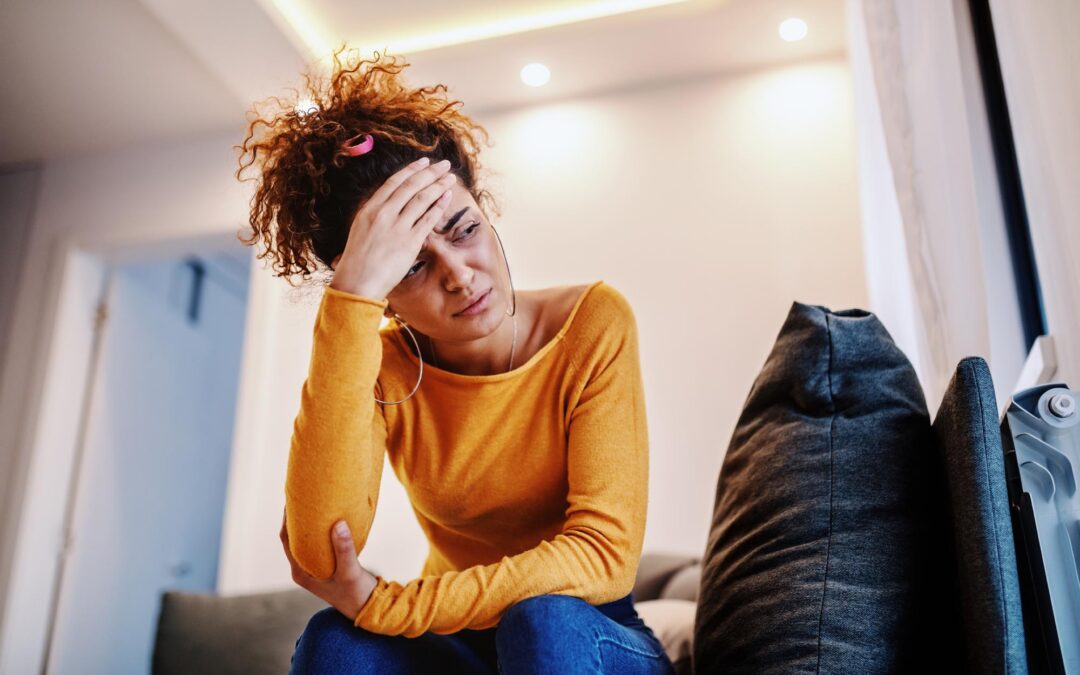
Maybe a glass of wine started as a way to unwind after a stressful day. Maybe pills helped you sleep when anxiety kept you up. Over time, what helped started to hurt, and now it’s hard to tell where the drinking ends and the depression begins.
If that sounds familiar, please hear this: you’re not weak, and you’re not alone. Many women live with both a mental health condition and a substance use disorder. That’s called a dual diagnosis, and it calls for care that treats the whole you.
A women’s dual diagnosis program is a treatment program that addresses substance use and mental health conditions, like anxiety, depression, PTSD, or trauma, at the same time, in a women-only setting. Instead of treating addiction in one place and mental health in another, one team builds a single plan. Integrated care like this works better than treating each condition separately, according to the National Institute on Drug Abuse.
What Does Women’s Dual Diagnosis Mean?
Dual diagnosis, also called co-occurring disorders, means you’re living with a substance use disorder and at least one mental health condition at the same time. Common pairings we see include:
- Alcohol use with depression or anxiety
- Prescription pill or benzodiazepine misuse with panic or sleep problems
- Substance use with PTSD or a history of trauma
- Drinking or drug use alongside an eating disorder or OCD
This overlap is incredibly common. National surveys have found that about half of people who experience a mental illness during their lives will also experience a substance use disorder, and the reverse is true too, according to the National Institute on Drug Abuse (NIDA).
Often, it’s hard to say which came first. Sometimes substances start as a way to quiet anxiety or numb pain. Other times, substance use changes brain chemistry in ways that trigger or worsen mental health symptoms. Either way, each condition feeds the other.
Why Do Women Experience Dual Diagnosis Differently?
Women’s paths into substance use and mental health struggles are often different from men’s, and treatment should reflect that. NIDA’s research on substance use in women highlights several reasons:
- Higher rates of certain mental health conditions. Women are more likely to experience depression, anxiety, PTSD, and eating disorders.
- Coping with stress and emotions. Some women report using substances to relieve stress or negative emotions.
- Trauma and violence. More than 1 in 3 women have experienced physical violence from an intimate partner, which raises the risk of depression and other health conditions.
- Major life transitions. Women may be more vulnerable to substance use or mental health disorders after events like divorce.
On top of that, women often carry the mental load of caregiving, careers, and households. Many feel intense shame and fear of judgment, especially moms. We wrote more about getting past the shame of addiction treatment and why women are more susceptible to alcoholism if you want to go deeper.
Why Does Treating Addiction and Mental Health Together Matter?
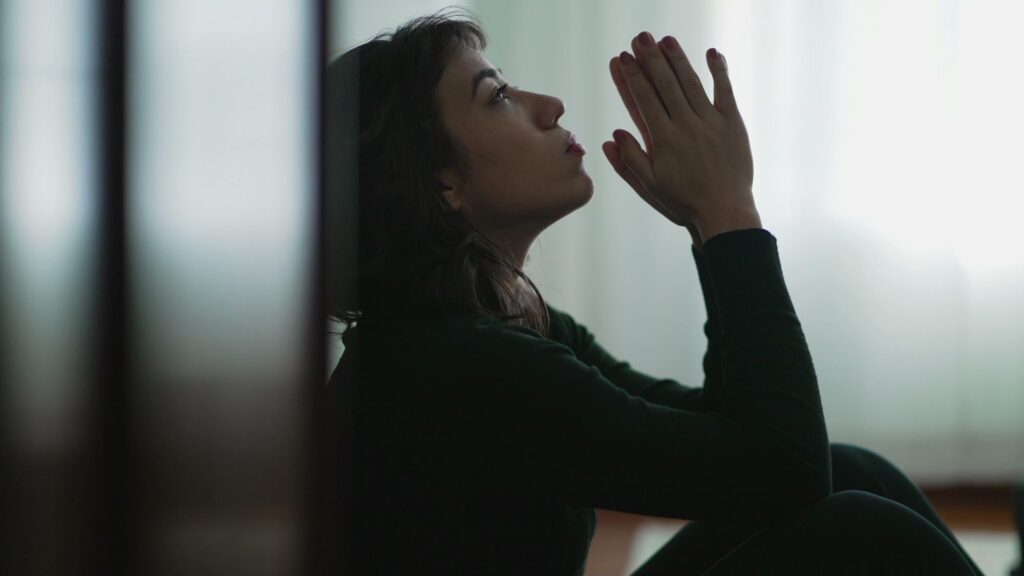
For a long time, people with a dual diagnosis were told to “get sober first” before working on their mental health, or the other way around. The problem? If you only treat one condition, the other one keeps pulling you back.
People with both conditions often have symptoms that are “more persistent, severe, and resistant to treatment” than people with just one, NIDA notes. That’s exactly why NIDA reports that integrated treatment for co-occurring substance use and mental illness has been found to be “consistently superior” to treating each one separately.
Here’s what integrated care looks like in real life:
- One team, one plan. Your therapists and clinicians talk to each other, so nothing falls through the cracks.
- Both conditions screened and treated at the same time. No bouncing between programs.
- You learn the “why” behind your use. Understanding what substances were doing for you, like quieting anxiety or numbing trauma, helps you build healthier ways to meet those needs.
- Lower relapse risk. When the anxiety, depression, or trauma underneath gets support, cravings often lose some of their grip.
“So many of the women we work with started using to survive something, whether that was anxiety, grief, or trauma. If we only take the substance away, we take away their coping tool without giving them a new one. Treating both together lets women finally understand themselves, and that’s when real, lasting change starts.” — [Clinician name, credentials], LightWork Therapy & Recovery
What Does a Women’s Dual Diagnosis Day Program Look Like?
Our dual diagnosis day treatment program for women gives you structured, intensive care during the day, then lets you go home to your life at night. Here’s what you can expect:
- A personalized assessment. We get to know your history, your goals, and what you’re carrying right now.
- Evidence-based therapy. That includes cognitive behavioral therapy (CBT), dialectical behavior therapy (DBT) for emotional regulation, and trauma-informed care.
- Holistic healing. Mindfulness, stress management, and holistic practices help you reconnect with your body and calm your nervous system.
- Women-only groups. In group therapy, you’ll find peer support from women who truly understand.
- Flexible scheduling. Evening hours are available for women balancing work, family, or caregiving.
Is a women’s dual diagnosis program right for me?
It may be a good fit if:
- You’ve tried addiction treatment or therapy before, but it only addressed one side of the struggle.
- You notice you drink or use more when anxiety, depression, or painful memories flare up.
- You need more support than weekly therapy, but don’t need 24/7 residential care.
- You want a safe, women-centered space to heal.
Not sure yet? Our post on 10 signs you might need addiction treatment can help you sort through what you’re feeling. And if privacy is a worry, read how confidential addiction treatment really is. For moms, we also wrote about how treatment can make you a better mother.
Frequently Asked Questions About Women’s Dual Diagnosis Treatment
What is the difference between dual diagnosis and co-occurring disorders?
They mean the same thing: having a substance use disorder and a mental health condition at the same time. “Co-occurring disorders” is the term many clinicians prefer today.
Why choose a women-only dual diagnosis program?
A women-only setting can feel safer, especially if you’ve experienced trauma. It also lets treatment focus on issues that affect women most, like caregiving stress, relationships, body image, and hormonal transitions.
Do I have to be sober before starting a dual diagnosis program?
Not always. Depending on what you’re using, you may need medical detox first so withdrawal is safe. Our admissions team can help you figure out the right first step.
What’s the difference between dual diagnosis day treatment and residential rehab?
In day treatment, you attend structured therapy during the day and sleep at home. Residential programs require you to live on-site. Day treatment works well if you have a safe home and need intensive support without stepping away from your whole life.
Will my insurance cover dual diagnosis treatment?
Many plans cover dual diagnosis care. You can verify your insurance with us confidentially.
Healing the Whole You Starts Here
You are so much more than a diagnosis, or two. The parts of you that have been struggling deserve compassion, not judgment. And you deserve care that sees the full picture.
At LightWork Therapy & Recovery, our women’s dual diagnosis day treatment helps you heal from addiction and mental health challenges at the same time, with a team of female clinicians and a community of women who understand. You don’t have to choose which part of you gets help first.
Take the first step today. Call us at (617) 533-0250 or reach out online. We’ll answer your questions honestly and help you figure out what’s next. You can also learn more about our programs.
If you’re in crisis or having thoughts of suicide, call or text 988 or call 911.