What Is National Substance Use Prevention Month and How Does It Support Women?
Quick answer: National Substance Use Prevention Month is observed every October to raise awareness about the risks of substance use and the power of prevention. For women, it’s a chance to talk openly about why we use, the unique risks we face and how to get support early, before coping turns into something harder to manage.
Let’s be real for a minute. That nightly glass (or three) of wine to “take the edge off.” The extra anxiety pill on a rough day. The “mommy juice” memes that make it all feel normal.
None of this makes you a bad person. Most of the time, it means you’re overwhelmed, exhausted and doing your best to cope with a whole lot. But it’s also exactly why this month matters. This Substance Use Prevention Month, women deserve a conversation that’s honest, judgment-free and actually about us.
What is National Substance Use Prevention Month?
Every October, the Substance Abuse and Mental Health Services Administration (SAMHSA) and prevention organizations across the country recognize Substance Use Prevention Month. The goal is to increase awareness of the dangers of substance use and remind communities that prevention works.
You might also see it called National Substance Abuse Prevention Month, its earlier name. The move toward “substance use” reflects a shift to kinder, less stigmatizing language. We love that, because shame has never helped anyone heal.
Prevention isn’t just for teenagers, either. It includes adults catching early warning signs, building healthier coping tools and getting support before things spiral.
Why does Substance Use Prevention Month matter for women?
Women’s relationships with substances often look different than men’s, and the risks can show up faster. According to the National Institute on Alcohol Abuse and Alcoholism (NIAAA):
- Alcohol use and misuse among women are rising.
- Over the past 20 years, women have seen larger increases than men in alcohol-related emergency department visits, hospitalizations and deaths.
- Women tend to develop alcohol-related problems sooner and at lower drinking levels than men.
- Even one drink a day can raise breast cancer risk by 5% to 15% compared to not drinking.
- Women are less likely than men to receive treatment for alcohol use disorder.
That last point really stays with us. Women often wait longer to get help, usually because of shame, fear of judgment or worry about what happens to our kids and jobs. You can read more about this in our post on why women are more susceptible to alcoholism.
Why do women turn to substances in the first place?
Here’s the heart of it: substance use is rarely about the substance. It’s usually about what we’re trying to feel, or not feel. Common reasons we hear from women include:
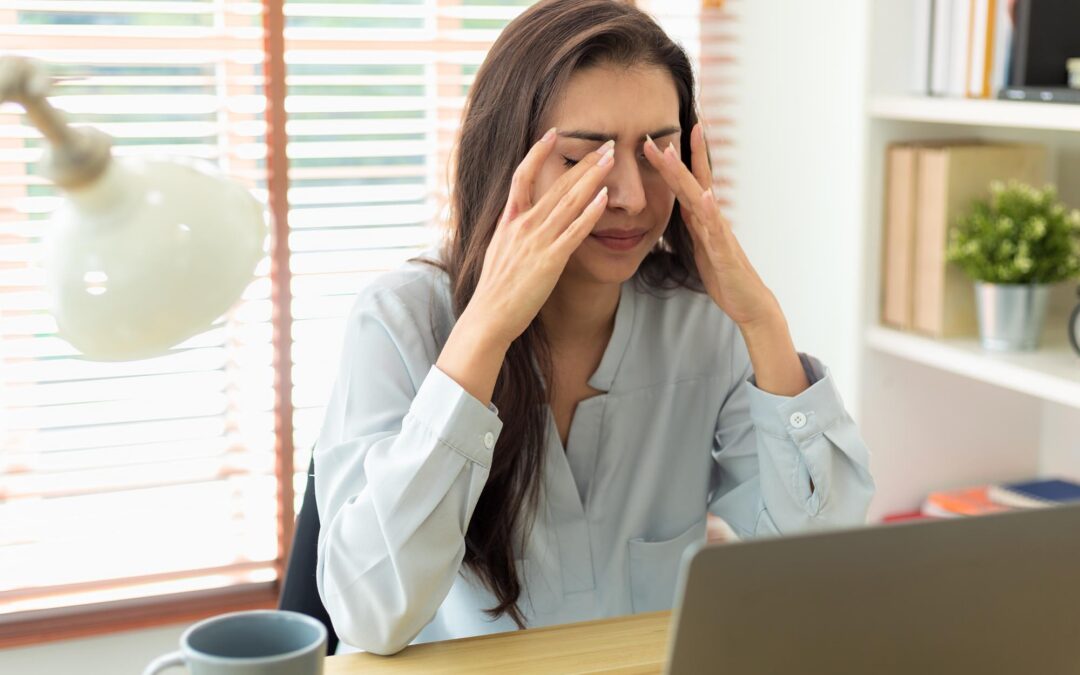
Anxiety and stress. Alcohol or pills can feel like the only way to quiet a racing mind, at least for a few hours.
Depression and loneliness. Substances can numb sadness or fill the empty space at the end of a long day.
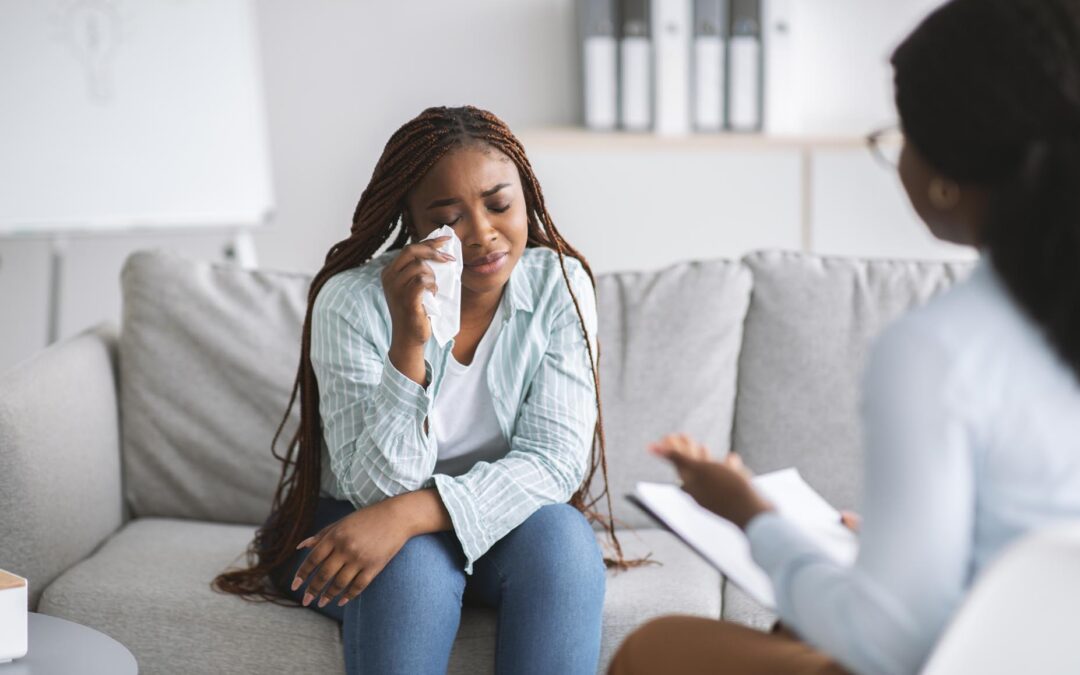
Trauma. Many women who struggle with substance use have a history of trauma. Using can become a way to manage memories, triggers or a nervous system stuck on high alert.
The mental load. Caregiving, careers, relationships and keeping everyone else afloat is a lot. Wine o’clock culture can make numbing out look like self-care.
Hormonal transitions. Postpartum, perimenopause and menstrual cycle changes can bring mood shifts that make substances more tempting.
When mental health struggles and substance use show up together, it’s called a dual diagnosis (or co-occurring disorders). Treating one without the other rarely works, which is why integrated care matters so much.
What does prevention actually look like for women?
Prevention doesn’t have to mean a dramatic life overhaul. Often, it’s a series of small, loving choices. Here are some places to start:
- Get curious, not critical. Notice when and why you reach for a drink or substance. Is it stress? Loneliness? Boredom? Awareness is powerful.
- Build a few go-to coping tools. A walk, a call to a friend, journaling, breathwork or a hot shower can interrupt the urge. Our guide to building healthy coping mechanisms is full of ideas.
- Talk about it. Tell a friend, partner or doctor what you’ve noticed. Secrecy feeds substance use. Connection weakens it.
- Address what’s underneath. Therapy for anxiety, depression or trauma is prevention. When the root pain gets care, the need to numb it often softens.
- Model openness for the girls in your life. Kids notice how we cope. SAMHSA’s Talk. They Hear You. campaign has great tips for starting honest conversations with young people.
What are the signs it might be time for support?
You don’t have to hit “rock bottom” to deserve help. Gently ask yourself:
- Am I drinking or using more, or more often, than I planned?
- Have I tried to cut back and found it harder than expected?
- Do I feel anxious, irritable or low when I’m not using?
- Am I hiding how much I use from people I love?
- Is it affecting my sleep, work, parenting or relationships?
- Am I using substances to manage anxiety, depression or painful memories?
If any of these feel true, that’s not a reason for shame. It’s a sign that you deserve more support. Our post on whether you need addiction treatment offers a kind, honest reality check.
And if you’re thinking, “But I’m still getting everything done,” this part is for you. Many women who quietly lean on a drink or a pill to unwind are the same women everyone else counts on. Our clinical director sees this often:
“Women often say things like, ‘But I’m still getting everything done,’ ‘Other people have it worse,’ or ‘I just need to push through.’ Someone may be successful at work, caring for their family, maintaining relationships, and appearing completely put together while internally experiencing constant worry, overthinking, perfectionism, or feeling like they’re always ‘on.’ You can be functioning and still be struggling.”
“Staying constantly busy, being highly organized, over-preparing, or trying to control every detail can provide temporary relief, but it can also leave someone exhausted, disconnected, and unable to truly relax. Sometimes coping looks like competence from the outside.”
“One of the biggest things is normalizing that you don’t have to be in crisis to ask for help. Therapy can be a space to say, ‘I know I’m functioning, but I don’t feel good,’ without having to prove that your struggles are severe enough. You don’t have to fall apart to deserve support.”
Molly Maguire, LMHC, Clinical Director, LightWork Therapy & Recovery
That’s what prevention really looks like: reaching out while you’re still holding it all together, not waiting until something breaks. If this sounds like you, our post on high-functioning anxiety in women is a great next read.
How do we support women at LightWork Therapy & Recovery?
We built our programs specifically for women, by women. We understand the guilt, the juggling and the fear that can keep women from reaching out.
Our Dual Diagnosis Day Treatment Program for Women treats mental health and substance use together, in one integrated plan, led by a compassionate team of female clinicians. Flexible evening hours make it easier to prioritize recovery even with a full schedule.
We also offer:
- Our intensive outpatient program (IOP) for women for structured support with more flexibility
- Outpatient therapy for ongoing care and relapse prevention
- Group therapy, where you can connect with other women who truly get it
Worried about privacy or what treatment means for your family? You’re not alone. We cover these concerns in confidentiality in addiction treatment and how addiction treatment can help you be a better mother.

Frequently asked questions
When is National Substance Use Prevention Month?
National Substance Use Prevention Month is observed every year in October.
What is the purpose of Substance Use Prevention Month?
It raises awareness about the risks of substance use, encourages prevention at every age and connects people with resources for early support and treatment.
Why are women at higher risk from alcohol?
Women tend to reach higher blood alcohol levels than men after drinking the same amount. They also develop alcohol-related health problems sooner and at lower levels of drinking, according to NIAAA.
What is dual diagnosis treatment?
Dual diagnosis treatment addresses a mental health condition, like anxiety, depression or PTSD, and a substance use disorder at the same time, in one coordinated plan.
Where can I get free, confidential help for substance use?
You can call the SAMHSA National Helpline at 1-800-662-HELP (4357), free and 24/7. In Massachusetts, the Massachusetts Substance Use Helpline is available 24/7 at 800-327-5050.
You deserve support, not shame
This October, we hope you’ll give yourself permission to look honestly and gently at how you’re coping. Prevention isn’t about being perfect. It’s about choosing yourself, one small step at a time.
If you’re ready for support, LightWork Therapy & Recovery is here for you. With warm, welcoming locations in Woburn and Braintree, we help women rediscover their strength, resilience and light.
Take the first step today. Call us at (617) 533-0250, reach out to our team, or verify your insurance in minutes. We’re ready when you are.